Bluetongue in Sheep
chevron_right Editorial information

Bluetongue is a notifiable viral disease spread by midges. Fever and stiffness and oral lesions are most common in sheep.
Bluetongue (BTV) is a viral disease affecting sheep, cattle, deer, goats and camelids (camels, llamas, alpacas, guanaco and vicuña). Although sheep are most severely affected, cattle are a large mammalian reservoir of the virus and are very important in the epidemiology of the disease. It is transmitted by biting midges of the genus Culicoides. It does not affect people, and it is not a risk to food safety.
Peak midge populations occur during the late summer and autumn in Europe and therefore this is the time when Bluetongue is most commonly seen. The midges can be carried very large distances on the wind (over 200km) and this has been the primary way Bluetongue serotypes are introduced into new areas.
There are many different strains (serotypes) of Bluetongue with each given a number (currently up to 27). Animals that recover from infection with one serotype will be immune to that strain but not to others. Historically, the UK has been affected by Bluetongue virus Serotype 8 (BTV-8) but a new major risk has been issued for serotype 3 (BTV-3) in 2024.
Clinical signs
The clinical signs of Bluetongue, which vary depending upon viral strain and sheep breed, follow an incubation period of four to 12 days.
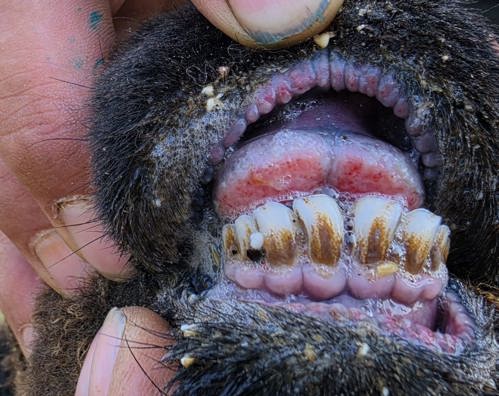
‘Sick animal’ fever, off food, unwell
Ulcers or sores in the mouth and nose and redness under the skin
Discharge from the eyes or nose and drooling from the mouth
Swelling of the lips, tongue, head and neck
Lameness - heat and tenderness at the coronary band (where the skin of the leg meets the horn of the foot)
Breathing problems
Abortion, foetal deformities and stillbirths
Death
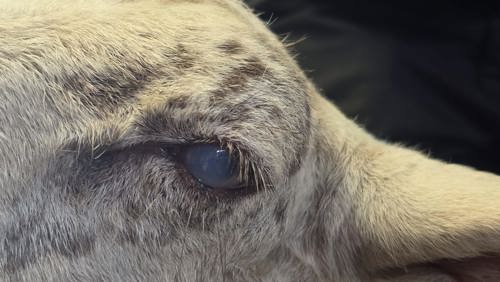
Not all animals will show clinical signs, some may be subclinical. Differential diagnosis include foot and mouth disease. Orf may cause ulcerations on the mucous membranes but is not typically a cause of high fever or mortality. Clostridial disease may cause sudden death and fever/oedema but this is usually sporadic and in unvaccinated sheep.
Vaccination
This is the only way to protect your flock from infection and is best given BEFORE the midge season starts, which is weather dependant but usually around June/July.
However – they can be used in the face of an outbreak and will be beneficial to the health of your flock. Three BTV-3 vaccines have been permitted for use. See these links to help inform with your vaccine decision making. The vaccines DO NOT affect fertility in rams or ewes. Speak with your vet to discuss. https://ruminanthw.org.uk/wp-content/uploads/2026/04/Vaccine-Decision-Maker-02.04.26.pdf
Treatment
Sheep identified and treatment started early are more likely to recover. Speak with your vet to discuss treatment options. These will most likely include fluid therapy, pain relief and antimicrobials.
Nursing care
Affected animals need water bringing to them for easy access. Soft palatable food i.e. soaked sugar beet, good quality hay should be available to encourage eating.
Welfare considerations
If the affected sheep are unable to rise unaided after more than 3 days and no improvement in condition is being seen, then euthanasia should be seriously considered to prevent further suffering. Please speak to your vet.
Bluetongue is a notifiable disease in the UK and suspected cases must be reported immediately to APHA – report a suspected case;
England Defra Rural Services Helpline 03000 200 301
Wales 0300 303 8268.
Scotland contact your local Field Services Office.
Northern Ireland DAERA 0300 200 7840
Economic importance
Bluetongue virus infection has an enormous impact on sheep production in many countries on the African continent and elsewhere. Losses result primarily from mortality, reduced production during protracted convalescence including poor wool growth, and reduced reproductive performance including temporary ram infertility.
The most up to date information on Bluetongue in the UK and Europe can be found at:
NADIS CPD: Quiz
NADIS hopes that you have found the information in this bulletin useful. Test your knowledge with the clinical quiz and receive an animal health certificate if you attain the required standard.
Qualified CPD for